Microsoft Word vs Adobe Reader: Which Tool Is Better for Document Management in 2026?
The argument started halfway through a project review meeting.
A procurement manager wanted every contract routed through Microsoft Word because the team already paid for Microsoft 365. The compliance officer pushed back immediately. Word files were getting edited after approval, version histories were becoming difficult to track, and signed documents were showing up in multiple folders with slightly different filenames.
Nobody was arguing about features. They were arguing about control. That's usually what document management becomes once an organization grows beyond a handful of employees.
I've reviewed enough document workflows to notice a pattern. People think document management is about creating files. It isn't. The real challenge starts after the file exists.
A proposal gets edited. A contract gets approved. A form gets signed. A policy gets updated. Then somebody needs to prove which version was actually approved six months ago. That's where things become complicated.
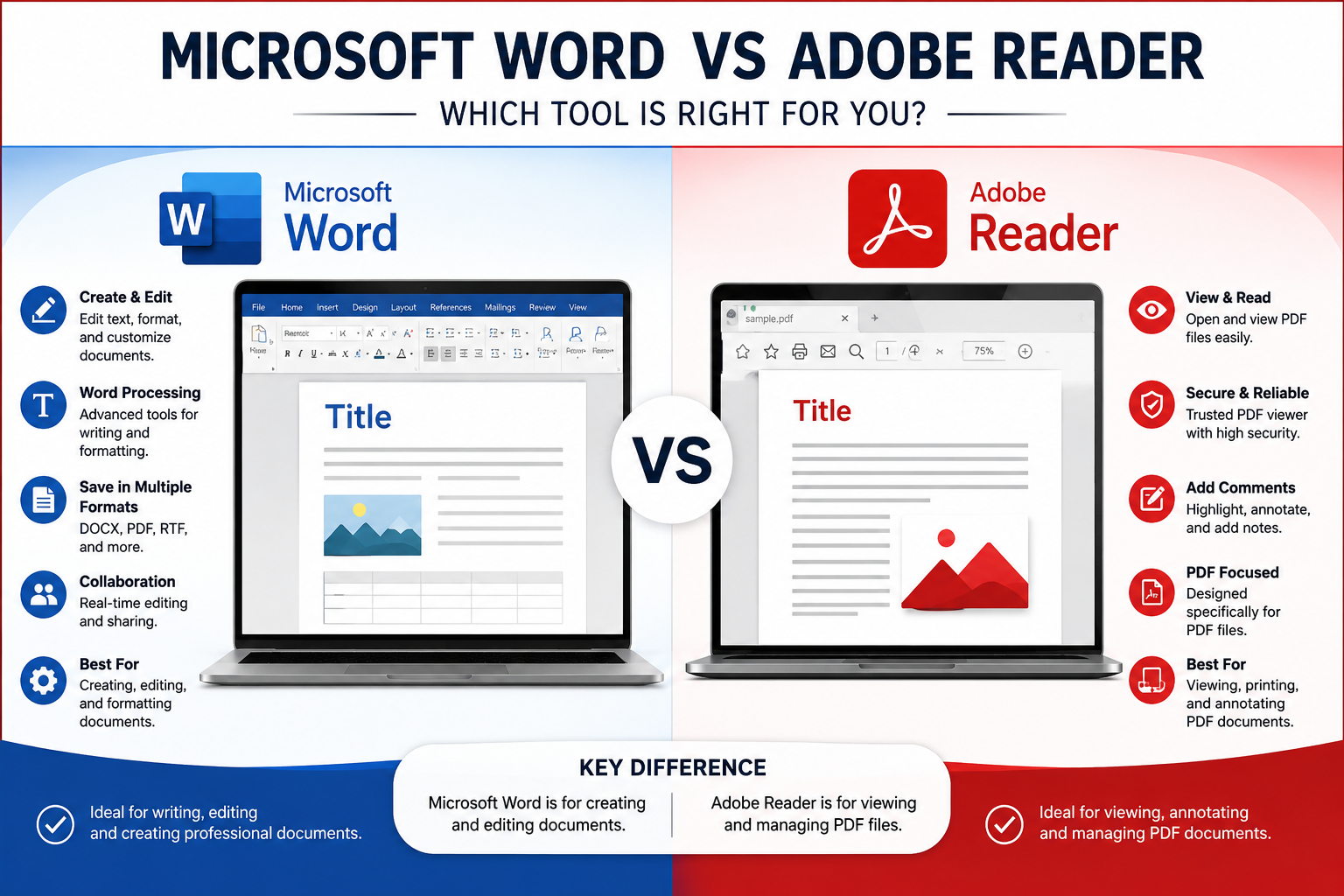
For years, Microsoft Word and Adobe Reader occupied very different positions. Word was where documents were created. Adobe Reader was where finished documents lived. In 2026 that line isn't as clear as it once was, but the fundamental difference still exists. Word remains a creation-first platform.
Adobe remains a control-first platform. That distinction affects almost every document decision organizations make. The uncomfortable reality is that most businesses underestimate how expensive uncontrolled documents become. A document isn't just a document anymore.
It may contain customer records, vendor agreements, compliance evidence, financial approvals, employee information, legal disclosures, or audit trails. One accidental edit can trigger consequences that cost far more than the software subscription itself.
On paper, Microsoft Word seems like the obvious winner.
People already know how to use it. Training costs stay low. Collaboration feels natural. Real-time editing works well.
Teams can,
- comment
- revise
- share files
That sounds reasonable. Reality tends to look different. I've watched organizations create dozens of versions of the same document within a single month. "Final.docx" becomes "Final_v2.docx." Then "Final_v2_Updated.docx." Eventually someone sends "Final_v2_Updated_Approved_NEW.docx." At that point, nobody knows which file matters.
Word isn't causing the problem. Human behavior is. Still, the flexibility that makes Word powerful is often the same flexibility that creates operational chaos. Adobe approaches the problem from the opposite direction.
Its ecosystem assumes the document is moving toward permanence. Instead of asking who needs to edit the file, Adobe often asks who needs to trust the file. That's a very different question. Most executives discover this too late. They invest heavily in collaboration and barely think about verification. Then an audit arrives. Then a customer dispute appears. Then legal teams start searching for signed versions buried across shared drives.
Suddenly the ability to prevent changes becomes more valuable than the ability to make changes. And that's where Adobe starts gaining ground. The irony is hard to ignore. The software that feels more restrictive often becomes the software that creates fewer organizational headaches. That doesn't mean Adobe wins every scenario.
Far from it. A marketing team producing twenty draft revisions in a week would probably lose patience if every change required PDF-based workflows. Content creation thrives on flexibility. Writers edit. Managers revise. Stakeholders change their minds. Word handles that reality extremely well.
The document isn't finished yet. Adobe performs best when the document is supposed to stop changing. That's a crucial distinction many software comparisons completely miss. Most comparison articles focus on feature checklists.
Cloud storage
Comments.
Annotations
Templates.
Signatures
Permissions
Useful information
Sure, But feature comparisons rarely explain why organizations choose one workflow over another. The real decision usually revolves around risk tolerance.
How much editing freedom do you want?
How much document certainty do you need?
Those priorities rarely point toward the same solution.
What Vendors Rarely Mention About Document Management
Here's something vendors rarely mention. Employees often become the weakest part of document management systems. Not because they're careless. Because they're busy. A perfectly designed workflow can collapse the moment somebody downloads a file, saves it locally, edits it offline, and emails it to six people. I've seen million-dollar systems disrupted by habits formed fifteen years ago.
Technology evolves faster than behavior
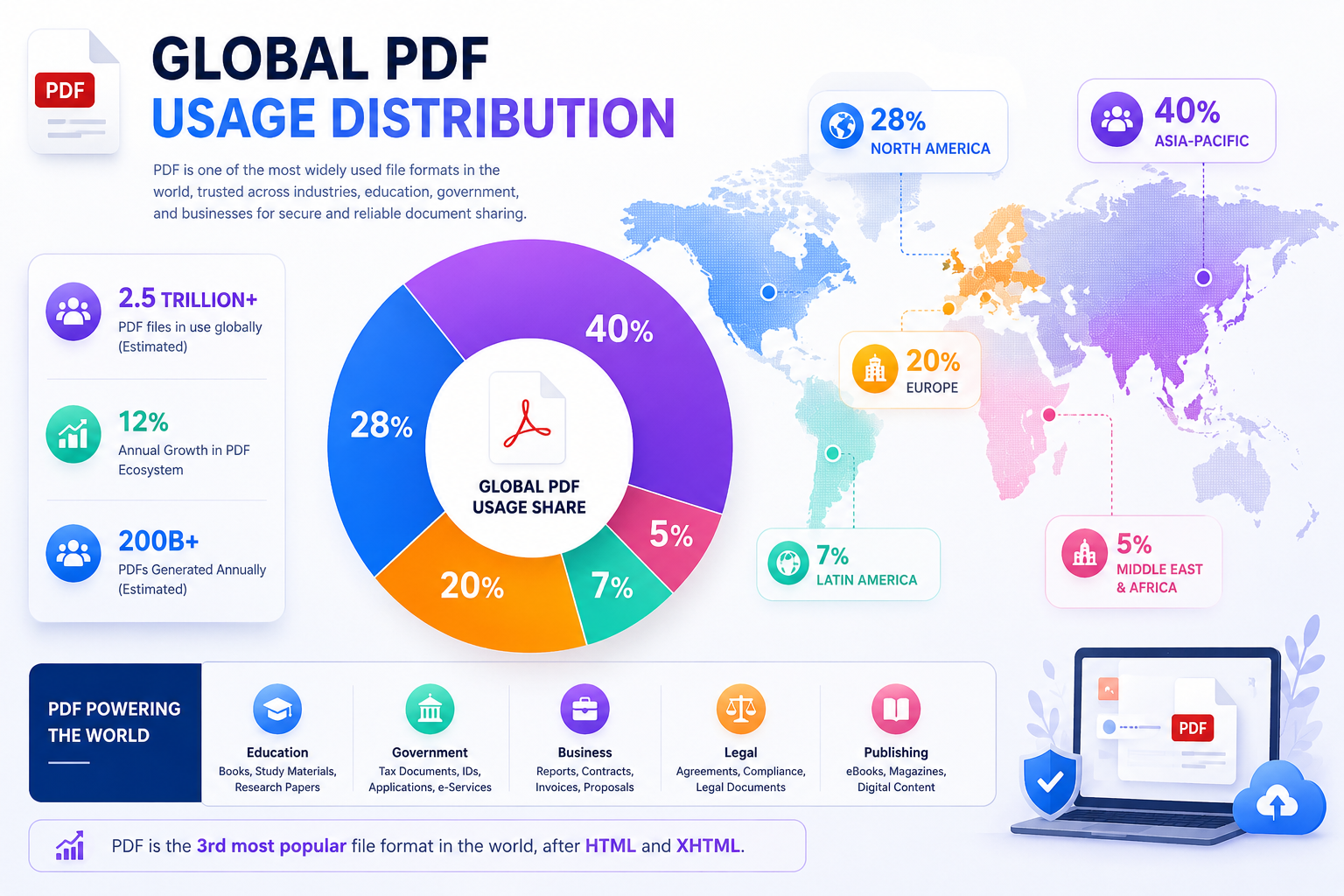
That's one reason PDF adoption continues growing despite the rise of collaborative editing platforms. Organizations trust fixed formats. Auditors trust fixed formats. Regulators trust fixed formats. Legal departments definitely trust fixed formats. Trust has economic value. People forget that.
A PDF isn't simply a file format. In many business environments it's evidence. That's why Adobe continues holding significant influence despite intense competition from Microsoft and dozens of newer platforms.
The Technical Reality Nobody Talks About
Most people assume a document is just text. It isn't. A modern document contains metadata, permissions, revision histories, signatures, embedded objects, comments, timestamps, formatting rules, security settings, and workflow connections. Think of a Word document as a construction site. A PDF behaves more like a completed building. https://oncepdf.com/#faq
1.Visitors can enter
2. Inspectors can review
3D product catalogs embedded inside business documents are becoming more common in e-commerce environments.
What looks correct in Word doesn't always render identically elsewhere
PDF-based workflows generally provide more predictable visual outcomes. That's not exciting. It is practical. And practical solutions usually win long-term enterprise battles.
Why Many Organizations End Up Using Both
I've heard executives ask which platform will replace the other. Usually neither does. The market keeps suggesting a winner-take-all battle. Actual businesses keep choosing both. Word handles creation. Adobe handles preservation. Word supports collaboration. Adobe supports verification. Word accelerates drafting. Adobe protects finalized records. That arrangement exists because each tool solves a different business problem.
Could Microsoft eventually expand deeper into document control?
Absolutely. Could Adobe improve collaborative editing further? Certainly. Neither possibility changes today's operational reality. Most organizations aren't choosing software. They're choosing where flexibility ends and certainty begins.
That's the question sitting underneath every document management decision in 2026. And as AI-generated content floods workplaces with more documents than ever before, the organizations that thrive may not be the ones that create information fastest.
They may be the ones that can still prove which version of that information was actually real.