The Future of PDFs: New Technologies Changing Digital Documents
The argument started over a contract. Not the contract itself. The PDF. One executive wanted a simple downloadable document. Another wanted embedded analytics. The legal team demanded version control. Compliance wanted audit trails. The product team wanted interactive forms. By the end of the meeting, nobody was arguing about the contract anymore. They were arguing about what a PDF is supposed to be in 2026. I've watched versions of this conversation happen repeatedly. Most people still think PDFs are finished technology. Something solved twenty years ago. A digital piece of paper. Open it, read it, maybe sign it, and move on. Reality looks very different.
The document sitting in your inbox today is becoming something closer to software than paper. That's creating opportunities. It's also creating problems nobody anticipated when PDFs first became the standard way to exchange information. What vendors rarely mention is that the biggest challenge isn't adding features. It's deciding how many features people actually want. A surprising number of organizations still print PDFs before reviewing them. At the same time, another group is embedding artificial intelligence directly into documents and expecting users to interact with them as living systems. Those two worlds now exist simultaneously. And that gap is driving many of the changes happening across digital documents.
A few years ago, document innovation largely meant improving compression, adding electronic signatures, or making forms easier to fill out.
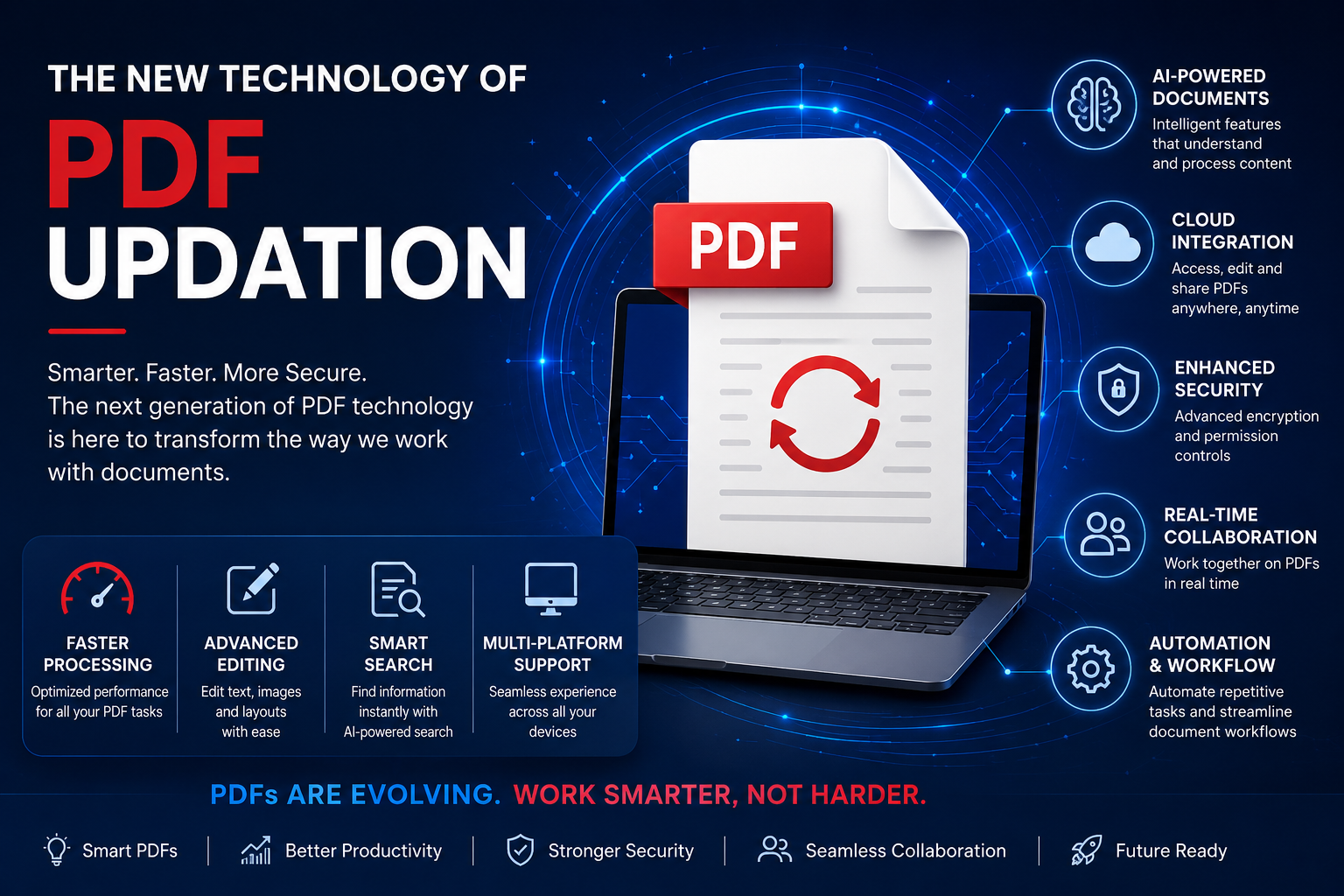
Now the conversation is different. AI is becoming part of the document itself. I've reviewed enough enterprise projects to notice a pattern. Organizations don't really want smarter documents. They want fewer support tickets. That's an important distinction.
When a financial institution adds AI-assisted document navigation, it isn't because executives suddenly became passionate about document technology. It's because customers can't find information buried inside seventy-page disclosures. The irony is hard to ignore. For years companies kept making documents larger. Now they're spending millions helping people understand the documents they created. Some of the latest PDF systems can summarize sections, answer questions, identify clauses, extract key obligations, and guide users toward specific information without requiring manual searching. Sounds impressive. Sometimes it is. Sometimes it creates new legal concerns because users may rely on AI-generated interpretations instead of reading the actual source material.
Most executives discover that problem later than they should. Security is quietly becoming one of the most influential forces shaping PDF development. Not because people suddenly care more about cybersecurity. Because regulators do. That changes everything. A marketing team might view a document as content. Regulators view the same document as evidence. Different incentives create very different priorities. This is where things become complicated.
Many organizations are introducing blockchain-backed verification systems, document fingerprinting technologies, advanced authentication layers, and immutable audit histories.
On paper, that sounds reasonable. Reality tends to look different. Every new security layer introduces friction. Every friction point increases abandonment rates. Every abandoned process creates business losses. The document becomes safer. The customer experience becomes worse. Nobody wants to admit both statements can be true at the same time. Yet they often are. The future PDF isn't just changing internally. It's changing visually. Design teams are pushing documents far beyond traditional static layouts. Interactive elements, embedded media, adaptive content blocks, responsive viewing experiences, and layered information systems are becoming increasingly common. The interesting part isn't the technology. It's why companies are adopting it. Users have become less patient. That's really the story.
A dense forty-page PDF that might have worked in 2015 now gets ignored, skimmed, or abandoned. Organizations know this. They're redesigning documents because user behavior changed first. Technology followed.
Think about pixels for a moment. Every visual element inside a PDF is ultimately a collection of data instructions telling a screen how something should appear. Most users never see this layer. A practical analogy helps. Imagine a massive warehouse filled with colored tiles. It's storing instructions about where every tile belongs and how transparent each tile should appear. That's where alpha channels enter the discussion.
An alpha channel controls transparency values attached to pixels. It decides whether something is completely visible, partially visible, or effectively invisible. Most designers don't think about this until something breaks. Then suddenly everybody cares. I've watched teams spend days troubleshooting blurry graphics only to discover transparency rendering inconsistencies between document viewers. What looked like a design problem turned out to be a pixel management problem. These details matter more today because modern design trends are pushing document visuals much harder than traditional corporate PDFs ever did.
Tactile brutalism, raw interface aesthetics, layered 3D product showcases, immersive e-commerce catalogs, and high-fidelity user experiences all depend on precise rendering behavior. A slight transparency issue that once went unnoticed now becomes immediately visible. Design standards have changed. User expectations changed even faster.
Another shift nobody talks about enough involves data itself. The PDF is becoming a delivery mechanism for structured information. Not just content. Information. Healthcare organizations want machine-readable records. Financial institutions want automated extraction. Governments want searchable archives. Legal teams want traceability. Everybody wants something different. yet they all want it inside the same document. This creates an incentive nobody talks about. The more functionality documents contain, the more they start behaving like applications. And applications require maintenance. Most organizations underestimate that reality. A PDF project that appears inexpensive during procurement often evolves into a long-term operational responsibility. Support teams discover this quickly.
Budgets discover it later. Then there's the question nobody can answer with confidence. Will PDFs remain the dominant document format? I hear that prediction every few years. Something new arrives. People announce the death of PDFs. Headlines appear. Consultants write reports. The format survives. Again. The reason isn't technical superiority. It's trust. Banks trust PDFs. Governments trust PDFs. Courts trust PDFs. Large institutions move slowly because mistakes are expensive. Replacing a trusted format requires more than innovation. It requires confidence across entire ecosystems.
That's much harder. The uncomfortable reality is that many technologies competing with PDFs are objectively better in specific situations. They're just not trusted enough yet. Trust moves slower than software.
Always has. Always will. The next generation of digital documents may look dramatically different from today's PDFs. They may contain AI assistants, embedded intelligence, real-time data layers, advanced verification systems, immersive visual experiences, and machine-readable structures operating beneath the surface.
The technology is arriving quickly
The harder question is whether organizations, regulators, legal systems, and users can agree on what a document actually is before the technology changes it again.